Sports Injuries in Medford, Lynn & Methuen, MA – Degre Chiropractic
Overview of Sports Injury Care Services
Sports Injuries in Medford, Lynn & Methuen, MA at Degre Chiropractic involve the evaluation and management of musculoskeletal conditions resulting from athletic activity, repetitive strain, or sudden physical impact. The service is structured around identifying dysfunction in muscles, joints, ligaments, and spinal structures that affect movement efficiency and physical performance.
Sports-related injuries can develop from acute trauma or cumulative stress over time. Clinical care focuses on assessing how these injuries affect biomechanics, joint stability, and neuromuscular coordination. Each case is evaluated individually based on the type of sport, injury mechanism, and physical presentation.
In Medford, Lynn & Methuen, MA, sports injury care is typically delivered through structured musculoskeletal assessments combined with movement analysis to understand how athletic performance has been impacted.
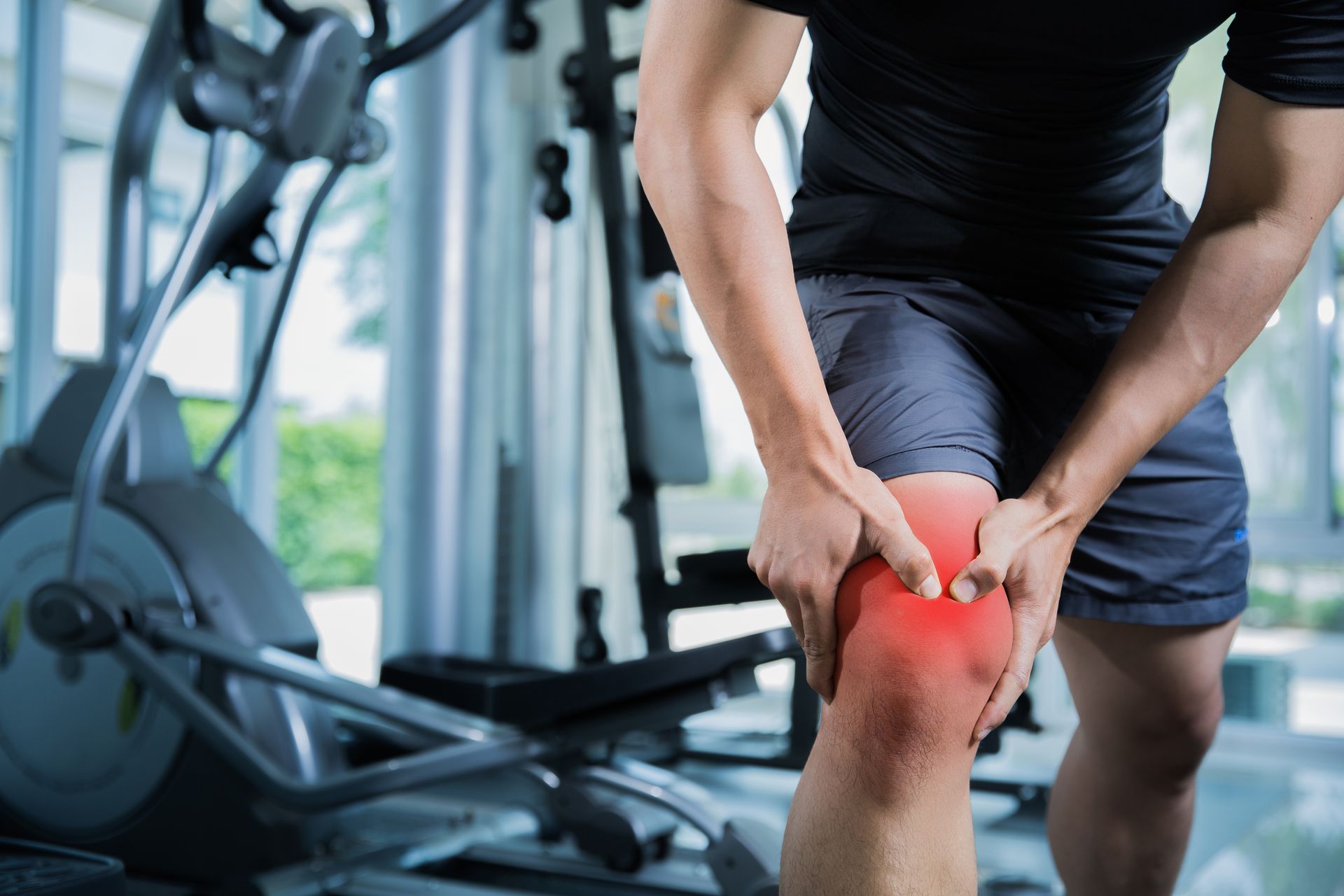
Injury Assessment and Functional Evaluation
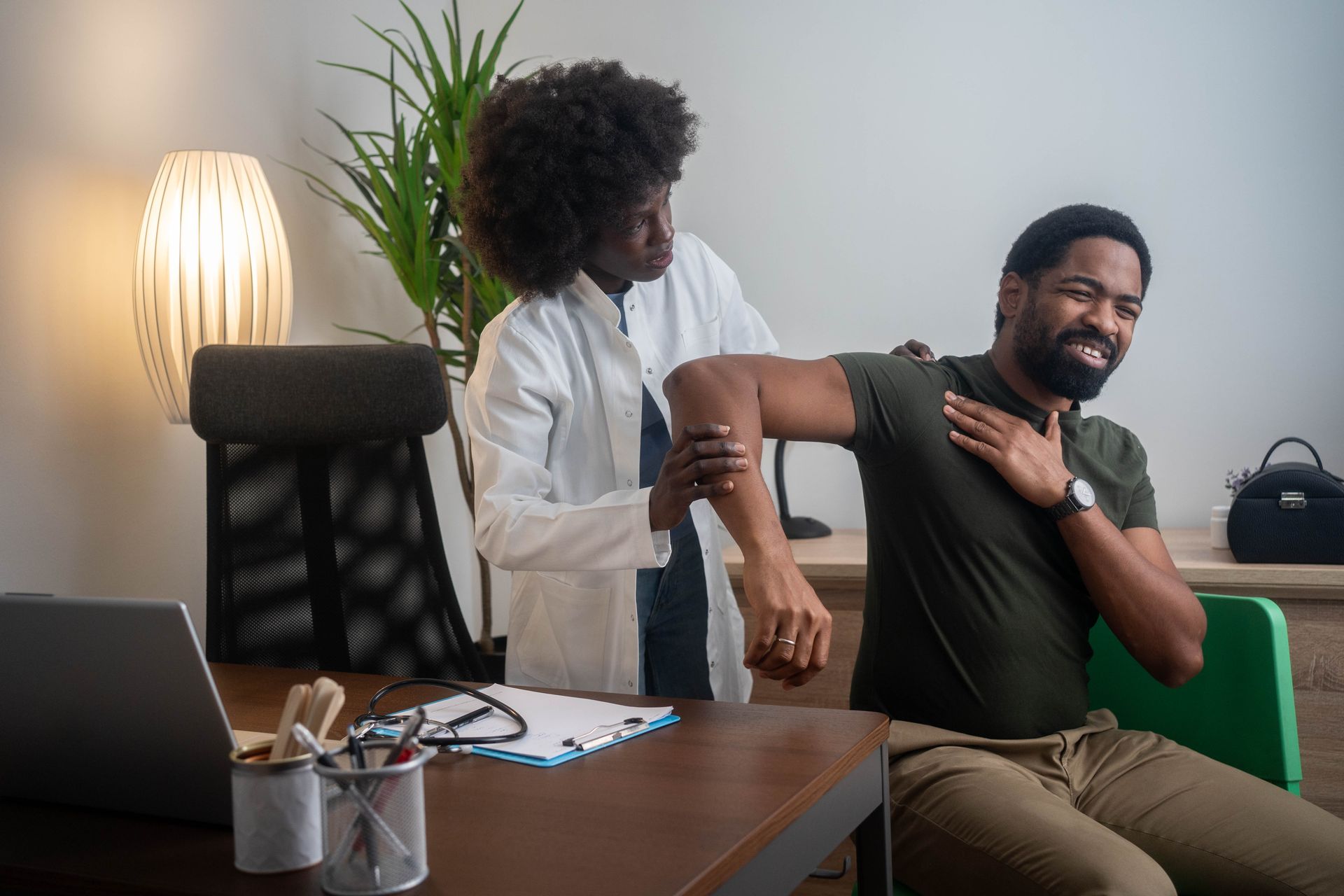
Sports injury care begins with a detailed evaluation of physical function, injury history, and movement limitations. This assessment helps identify the specific structures affected and how they influence overall biomechanics.
Injury Mechanism and Activity Review
A detailed review of how the injury occurred is conducted to understand the forces involved, body positioning, and immediate symptoms. This information helps determine whether the injury is acute or overuse-related.
Joint and Spinal Mobility Testing
Joint mobility is assessed across affected regions to identify restrictions, instability, or asymmetry. Spinal segments are also evaluated when injuries involve axial loading or rotational forces.
Neuromuscular Coordination Assessment
Neuromuscular function is evaluated through reflex testing, muscle activation patterns, and coordination tasks. These findings help determine how effectively the nervous system is controlling movement following injury.
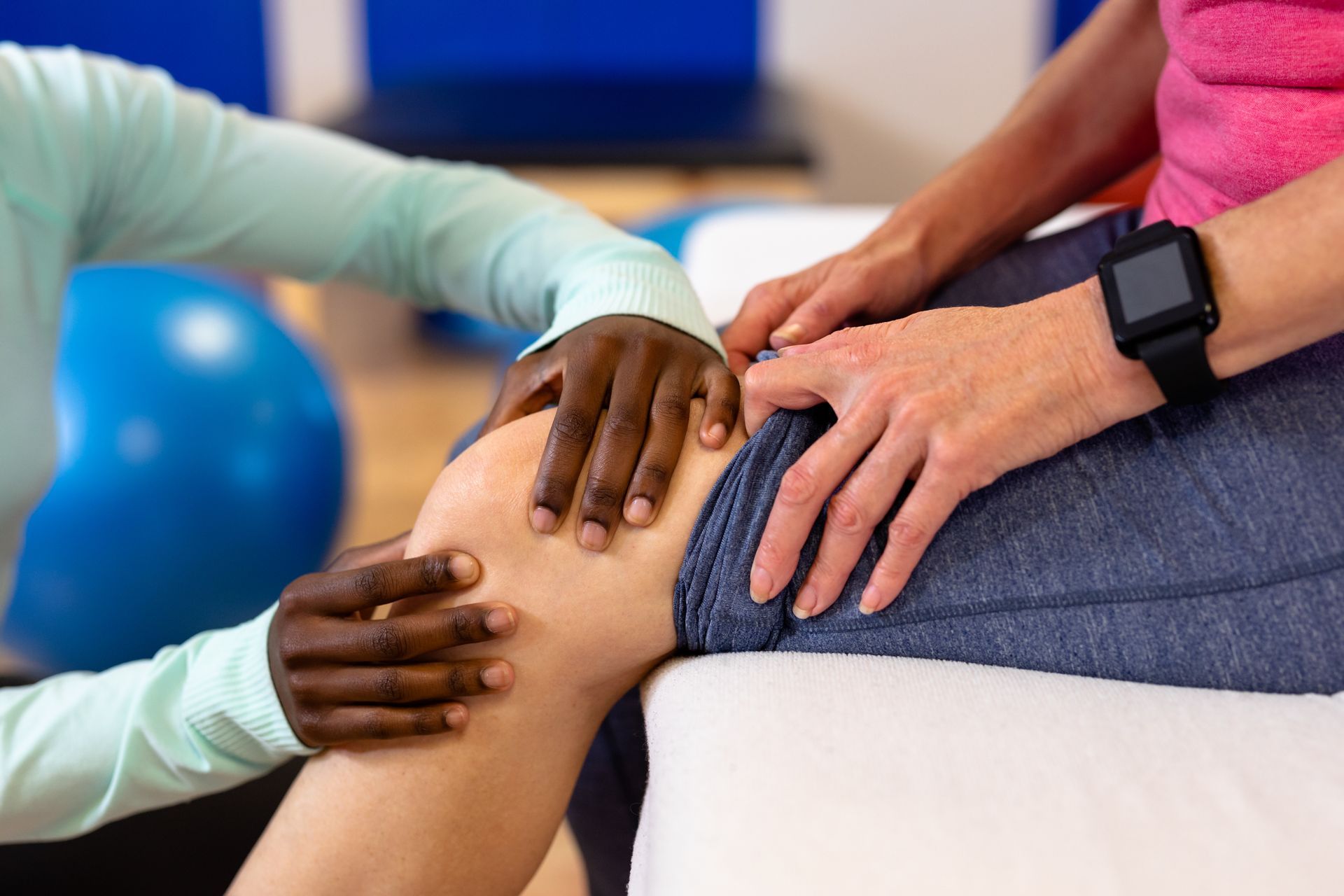
Musculoskeletal Injury Management Approaches
Sports injury services at Degre Chiropractic include manual and movement-based approaches designed to address tissue dysfunction and restore mobility. Treatment selection is based on clinical findings rather than standardized protocols.
Spinal and Joint Mobilization Techniques
Mobilization techniques involve controlled movement of restricted joints to restore functional range of motion. These methods are applied based on identified areas of stiffness or mechanical limitation.
Soft Tissue Treatment Applications
Soft tissue techniques focus on muscles and connective tissue affected by strain or overuse. Manual pressure is applied to reduce tension and improve tissue flexibility in targeted regions.
Functional Movement Re-Training
Movement retraining focuses on restoring coordinated motion patterns following injury. This includes evaluating how the body performs basic and sport-specific movements under controlled conditions.
Load Management and Mechanical Adjustment
Load management involves assessing how forces are distributed across joints and muscles during activity. Adjustments are made to reduce excessive strain on injured or vulnerable structures.
Common Sports-Related Musculoskeletal Conditions
Sports injury care addresses a wide range of conditions that affect athletes and physically active individuals. These conditions vary depending on sport type, intensity, and movement demands.
Muscle Strains and Overuse Injuries
Muscle strains occur when fibers are overstretched or overloaded during activity. Overuse injuries develop gradually due to repetitive stress without adequate recovery.
Joint Sprains and Ligament Stress
Ligament injuries involve overstretching or partial tearing due to sudden movement or impact. These injuries often affect joint stability and require careful functional evaluation.
Spinal and Postural Stress Injuries
The spine may be affected by rotational or compressive forces during athletic activity. Postural stress injuries often develop from repetitive loading patterns.
Tendon Irritation and Inflammation Patterns
Tendons may become irritated due to repetitive motion or excessive strain. These conditions are evaluated through movement testing and palpation of affected areas.
Treatment Process and Rehabilitation Structure
Sports injury care follows a structured clinical process designed to evaluate, treat, and monitor recovery over time. Each stage is adjusted based on injury severity and functional response.
Initial Sports Injury Evaluation
The initial evaluation includes injury history review, physical examination, and movement assessment. This establishes a baseline for tracking recovery and functional improvement.
Progressive Treatment Sessions
Treatment sessions focus on restoring mobility, reducing tissue restriction, and improving movement control. Techniques are selected based on ongoing clinical findings.
Functional Recovery Monitoring
Recovery progress is monitored through repeated assessment of joint mobility, strength, and movement coordination. Adjustments to care are made based on observed changes.
Return-to-Activity and Performance Monitoring
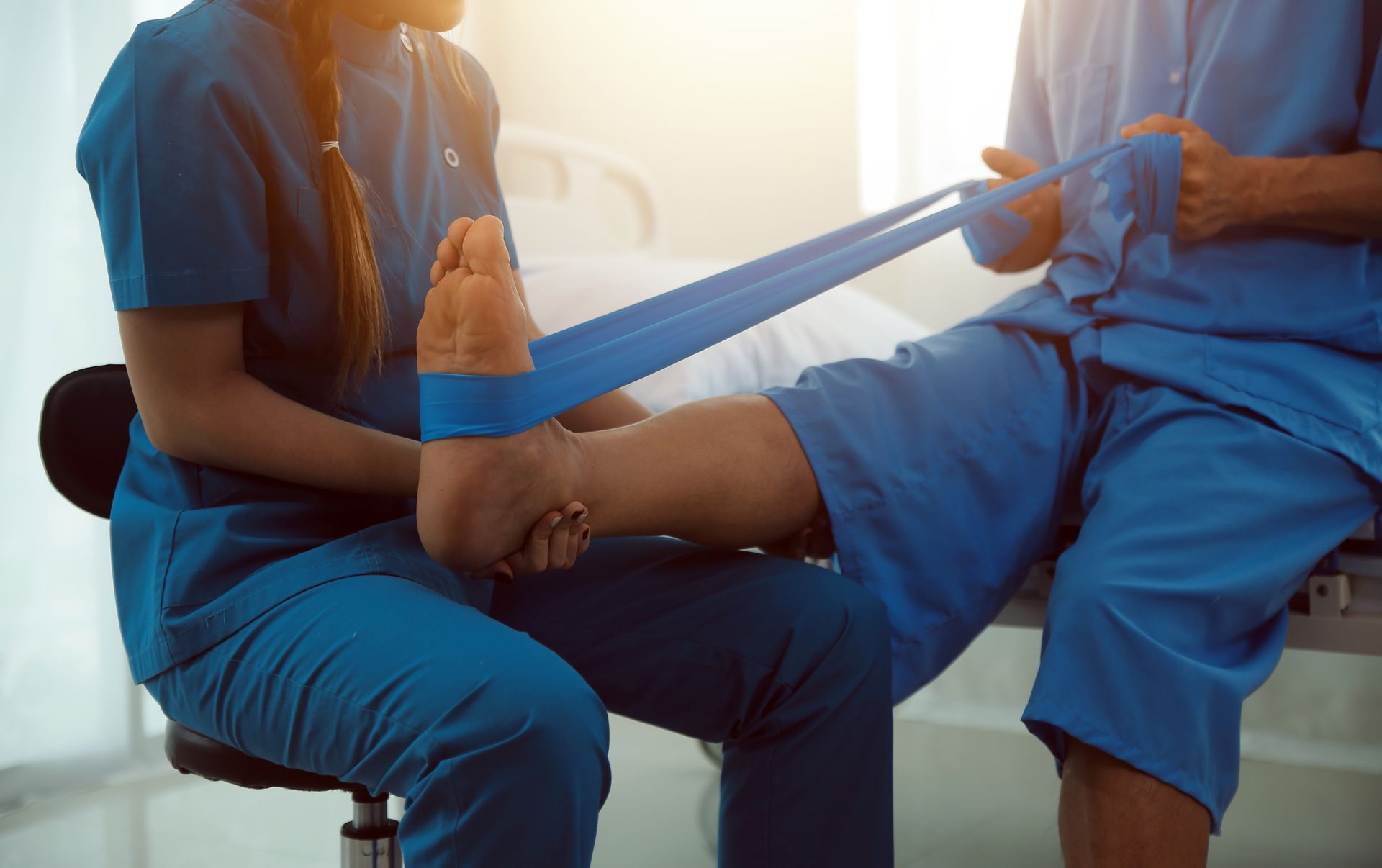
Sports injury care includes structured monitoring of functional readiness and movement stability as individuals return to physical activity.
Movement Efficiency Evaluation
Movement efficiency is assessed to determine how well the body performs sport-related motions after injury. This includes evaluating coordination and joint control.
Load Tolerance Assessment
Load tolerance is reviewed to determine how tissues respond to increasing levels of physical stress during recovery. This helps guide progression back to activity.
Long-Term Injury Prevention Review
Long-term monitoring focuses on identifying movement patterns that may increase risk of reinjury. Functional assessments are used to support continued musculoskeletal stability over time.