Massage Therapy in Medford, Lynn & Methuen, MA – Degre Chiropractic
Overview of Massage Therapy Services
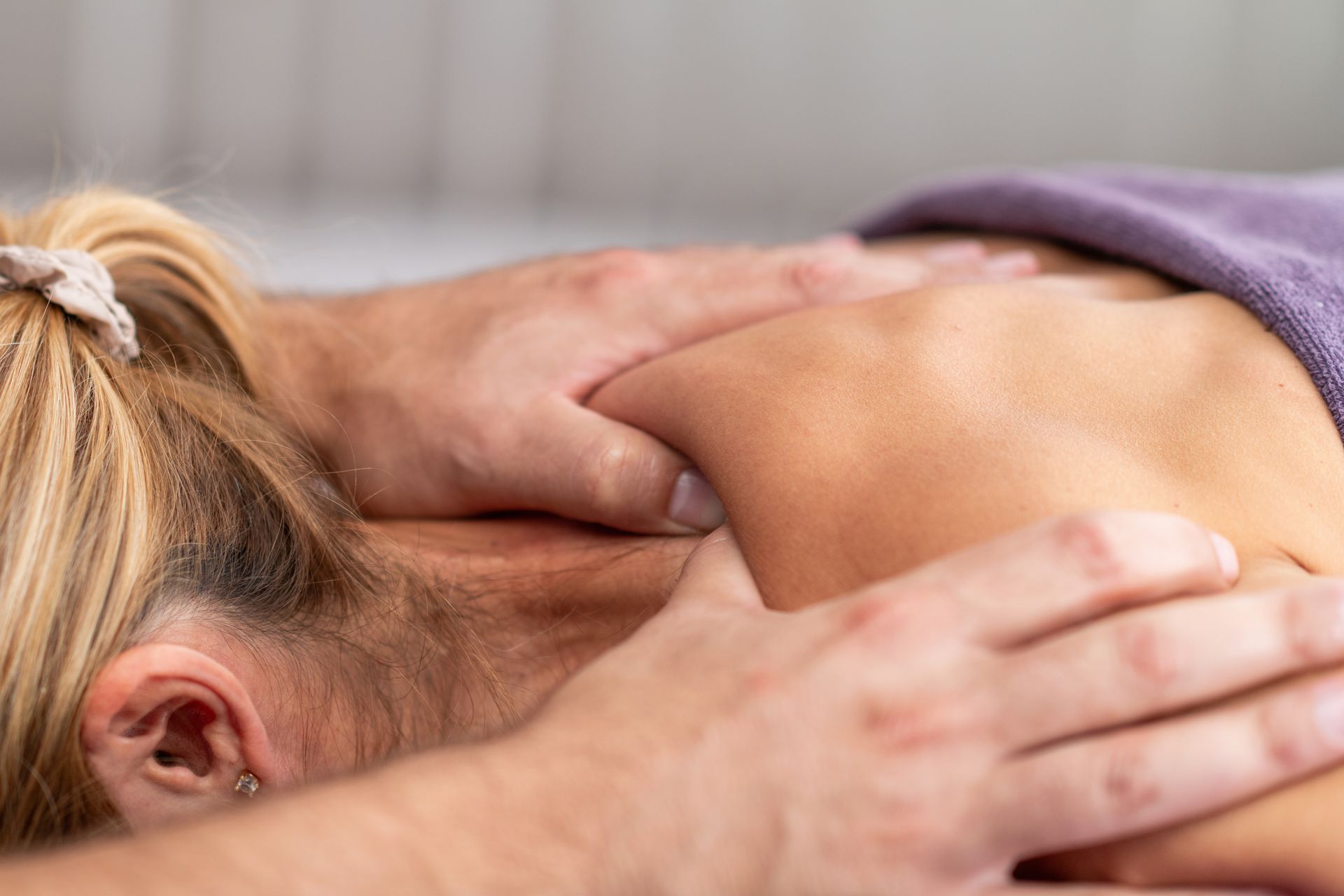
Massage Therapy in Medford, Lynn & Methuen, MA at Degre Chiropractic is a structured form of soft tissue treatment focused on the manipulation of muscles, fascia, and connective tissue to address physical tension patterns and restricted movement. The service is applied within a clinical context where muscular function and tissue quality are assessed as part of a broader musculoskeletal evaluation.
Massage therapy sessions are designed to address localized and regional soft tissue restrictions that may influence posture, mobility, and joint mechanics. Treatment is typically guided by physical findings rather than a standardized routine, allowing the therapist to adapt techniques to specific anatomical and functional presentations.
In Medford, Lynn & Methuen, MA, massage therapy is often integrated into musculoskeletal care approaches where soft tissue dysfunction is identified alongside joint or spinal involvement. The focus remains on evaluating tissue tone, elasticity, and trigger point activity as part of a comprehensive physical assessment.
Clinical Assessment and Soft Tissue Evaluation
Massage therapy services begin with a structured evaluation of soft tissue conditions and movement restrictions. This assessment helps determine which muscle groups and fascial structures require focused attention during treatment.
Muscular Tension Assessment
Muscular evaluation involves palpation and movement testing to identify areas of tightness, asymmetry, or tenderness. These findings help map regions of restricted muscle function and guide treatment application.
Postural and Movement Observation
Postural analysis is conducted to observe how muscle groups interact during static positions and dynamic movement. Imbalances in muscle activation patterns are identified through visual and tactile assessment techniques.
Tissue Quality and Sensitivity Review
Soft tissue quality is evaluated by assessing density, elasticity, and sensitivity to pressure. Areas with increased rigidity or hypersensitivity are documented to determine appropriate treatment depth and technique selection.

Massage Techniques and Therapeutic Applications
Massage therapy at Degre Chiropractic incorporates a range of manual techniques designed to address muscular dysfunction and soft tissue restrictions. Each technique is selected based on clinical findings during assessment.
Deep Tissue Manipulation Methods
Deep tissue techniques involve sustained pressure applied to deeper layers of muscle and fascia. These methods are used in areas where chronic tension patterns or adhesions are identified during evaluation.
Myofascial Release Techniques
Myofascial release focuses on the connective tissue surrounding muscles. Slow, sustained pressure is applied to fascia to address restrictions that may influence movement patterns and tissue glide.
Trigger Point Focused Work
Trigger point therapy targets localized areas of muscular hyperirritability that may refer discomfort to other regions. These points are identified through palpation and addressed with controlled manual pressure.
Neuromuscular Integration Techniques
Neuromuscular techniques involve structured pressure and release patterns designed to influence muscle activation and relaxation responses. These methods are applied based on observed neuromuscular imbalances.
Areas of Muscular and Soft Tissue Focus
Massage therapy services address multiple anatomical regions depending on the patient’s presentation and physical findings. Treatment areas are determined through direct assessment rather than predetermined routines.
Cervical and Upper Back Musculature
The cervical and upper thoracic regions are commonly assessed for tension patterns associated with posture and repetitive strain. Muscle groups in this region are often involved in restricted head and neck mobility.
Shoulder and Upper Limb Structures
Shoulder girdle muscles and surrounding connective tissues are evaluated for tightness and functional imbalance. This includes musculature responsible for upper limb stabilization and movement control.
Lumbar and Lower Back Region
The lumbar spine and surrounding paraspinal muscles are assessed for tension and compensatory strain patterns. These areas often reflect load distribution and postural adaptation over time.
Lower Extremity Muscle Groups
Muscles of the hips, thighs, and calves may also be included in assessment and treatment when movement restrictions or compensatory patterns are identified during evaluation.

Session Flow and Treatment Structure
Massage therapy sessions follow a structured clinical flow that begins with assessment and continues through targeted manual intervention based on identified soft tissue conditions.
Initial Soft Tissue Review
Each session begins with a review of current muscular status and any changes in symptoms or mobility since the previous visit. This allows for updated treatment planning based on current presentation.
Targeted Manual Application
Once assessment is complete, manual techniques are applied to selected muscle groups and fascial regions. Pressure, rhythm, and duration are adjusted according to tissue response and clinical findings.
Reassessment During Treatment
Throughout the session, continuous reassessment is performed to evaluate tissue response. Adjustments are made in real time to ensure appropriate application of technique based on muscular feedback.
Aftercare and Follow-Up Considerations
Massage therapy includes post-session considerations designed to monitor tissue response and support appropriate adaptation of muscular and fascial structures following treatment.

Post-Treatment Tissue Response
Following massage therapy, temporary changes in muscle sensitivity or movement patterns may occur as soft tissue adapts to manual intervention. These responses are observed as part of clinical follow-up.
Movement and Activity Considerations
Guidance may be provided regarding physical activity following treatment sessions. This is based on the intensity of soft tissue work performed and the individual’s musculoskeletal presentation.
Ongoing Treatment Evaluation
Follow-up sessions are structured based on changes observed in muscle tone, mobility, and tissue quality over time. Continued assessment allows for refinement of treatment focus in subsequent visits.