Chiropractic Services in Medford, Lynn & Methuen, MA – Degre Chiropractic
Overview of Chiropractic Services
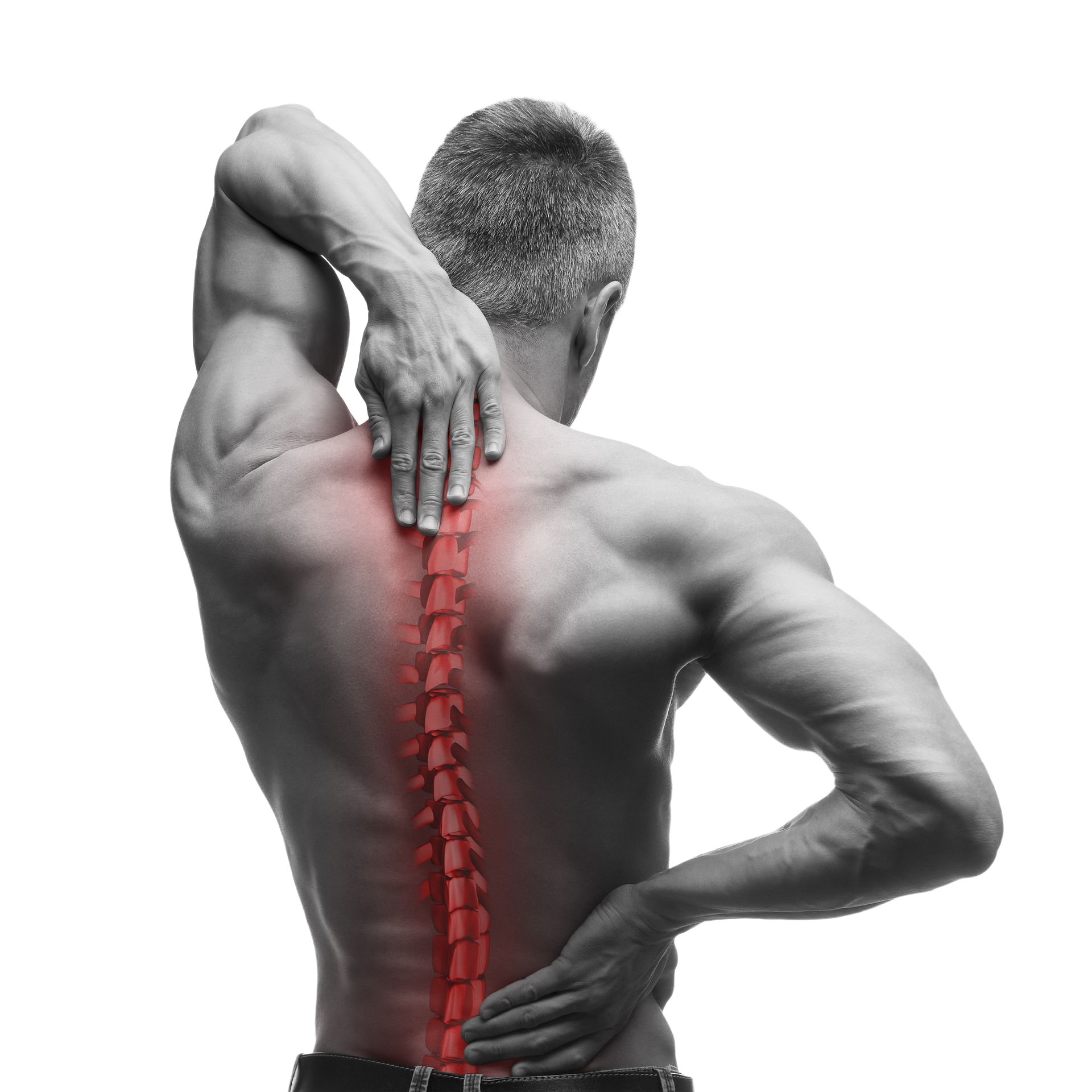
Chiropractic Services in Medford, Lynn & Methuen, MA at Degre Chiropractic focus on the evaluation, diagnosis, and manual management of musculoskeletal conditions, particularly those involving the spine, joints, and surrounding soft tissues. These services are structured around restoring and maintaining proper joint alignment and improving biomechanical function through non-invasive clinical approaches.
Chiropractic care is commonly delivered through a combination of physical examination, motion assessment, and manual spinal manipulation techniques. The scope of service typically includes the cervical, thoracic, and lumbar regions of the spine, as well as extremity joints when clinically indicated. Each service session is based on findings gathered during patient evaluation rather than a standardized treatment model.
In Medford, Lynn & Methuen, MA, chiropractic services are often integrated into musculoskeletal care plans for individuals presenting with movement restrictions, spinal discomfort, or posture-related concerns. The clinical focus remains on identifying mechanical dysfunctions and applying targeted manual adjustments where appropriate.

Assessment and Clinical Evaluation
Chiropractic services begin with a structured clinical evaluation designed to identify functional and structural contributors to a patient’s presenting condition. This process is essential for determining whether chiropractic intervention is appropriate and what areas of the body require attention.
Patient History Review
A detailed patient history is collected to understand symptom onset, duration, and contributing factors. This includes prior injuries, occupational strain, repetitive movement patterns, and previous musculoskeletal treatments. The historical review also helps identify any contraindications that may influence treatment planning.
Physical Examination Procedures
The physical examination involves multiple assessment components that may include posture observation, spinal palpation, range of motion testing, and orthopedic or neurological screening. These assessments help determine joint restriction levels and muscular imbalances.
Functional and Motion Analysis
Motion analysis is used to evaluate how the spine and related joints move under normal and restricted conditions. Restricted joint segments are identified through palpation and guided movement testing. These findings inform the selection of specific adjustment techniques used during care.

Spinal Adjustment Techniques and Methods
Spinal adjustment techniques form the core of chiropractic services and are applied based on the identified dysfunctions during evaluation. These techniques are designed to influence joint mobility and neuromuscular function through controlled manual force.
Diversified Manual Adjustments
Diversified adjustments involve precise, high-velocity, low-amplitude thrusts applied to restricted spinal segments. These adjustments are commonly used across multiple spinal regions depending on clinical findings.
Mobilization-Based Techniques
Mobilization techniques use slower, repetitive movements applied to joints with reduced motion. These methods are often selected when gradual restoration of movement is clinically appropriate.
Instrument-Assisted Adjustments
Instrument-assisted techniques involve handheld devices that deliver controlled mechanical impulses to specific spinal or joint areas. These methods may be used when manual thrust techniques are not suitable or when targeted precision is required.
Soft Tissue Integration Methods
Soft tissue techniques may accompany spinal adjustments and involve manual pressure applied to muscles and connective tissues surrounding affected joints. These methods are used to address muscular tension contributing to restricted movement patterns.
Conditions Addressed Through Chiropractic Care
Chiropractic services at Degre Chiropractic are applied in clinical settings involving a range of musculoskeletal and neuromuscular conditions. These conditions are assessed individually, and care is tailored based on physical findings rather than generalized treatment protocols.
Spinal Pain Syndromes
Chiropractic care is frequently utilized in cases involving cervical, thoracic, or lumbar discomfort. These presentations may be associated with joint restriction, postural stress, or mechanical dysfunction of spinal segments.
Head and Neck Related Dysfunction
Cervicogenic conditions involving neck stiffness or movement limitation are commonly evaluated within chiropractic practice. Assessment focuses on cervical spine mobility and associated muscular tension patterns.
Extremity Joint Dysfunction
Shoulder, elbow, hip, and knee joint restrictions may also be evaluated within chiropractic services when biomechanical dysfunction is suspected. These assessments determine whether joint motion limitations are related to spinal or local joint issues.
Postural and Mechanical Strain Patterns
Chiropractic evaluation often includes assessment of posture-related strain affecting the spine and supporting musculature. These patterns are typically identified through observation and movement analysis rather than isolated symptom reporting.

Treatment Process and Visit Flow
Chiropractic services follow a structured clinical process that begins with evaluation and continues through individualized care sessions based on identified findings.
Initial Consultation Phase
The initial visit typically includes a full clinical assessment, discussion of symptoms, and preliminary motion testing. This phase establishes the foundation for determining the appropriate chiropractic approach.
Care Session Structure
Each chiropractic session involves reassessment of joint mobility followed by targeted manual intervention. Techniques selected during the session are based on current presentation rather than a fixed protocol.
Progress Evaluation
Ongoing evaluation is used to monitor changes in joint mobility and symptom presentation over time. This ensures that care remains aligned with the patient’s evolving musculoskeletal status.
Safety, Aftercare, and Follow-Up Considerations
Chiropractic services include clinical safety protocols and follow-up recommendations designed to support appropriate response to manual interventions. Aftercare considerations are based on the type of adjustment performed and the individual’s physical response.

Post-Adjustment Response Monitoring
Following spinal adjustments, short-term changes in mobility or muscular sensation may occur as the body adapts to mechanical changes in joint positioning. These responses are typically monitored during and after the session.
Activity Modification Guidance
Patients may receive guidance on movement patterns or physical activity levels following treatment sessions. This may include temporary modification of strenuous activities depending on clinical findings.
Follow-Up Evaluation Scheduling
Follow-up visits are determined based on initial assessment results and observed progress. Continued evaluation allows for reassessment of spinal function and adjustment of care strategies when necessary.