Auto Accident Therapy Services in Medford, Lynn & Methuen, MA – Degre Chiropractic
Overview of Auto Accident Therapy Services
Auto Accident Therapy Services in Medford, Lynn & Methuen, MA at Degre Chiropractic focus on the evaluation and management of musculoskeletal injuries that occur following motor vehicle collisions. These services are structured around identifying mechanical dysfunctions affecting the spine, joints, and surrounding soft tissues after trauma exposure.
Auto accident-related conditions often involve complex physical responses that may not present immediately after the incident. As a result, clinical evaluation is centered on both acute symptoms and delayed-onset musculoskeletal changes. The service emphasizes structured assessment of spinal alignment, soft tissue integrity, and movement restrictions that may develop following impact-related forces.
In Medford, Lynn & Methuen, MA, auto accident therapy commonly involves coordinated care approaches where spinal and muscular systems are assessed together to understand how collision forces have influenced overall biomechanical function.
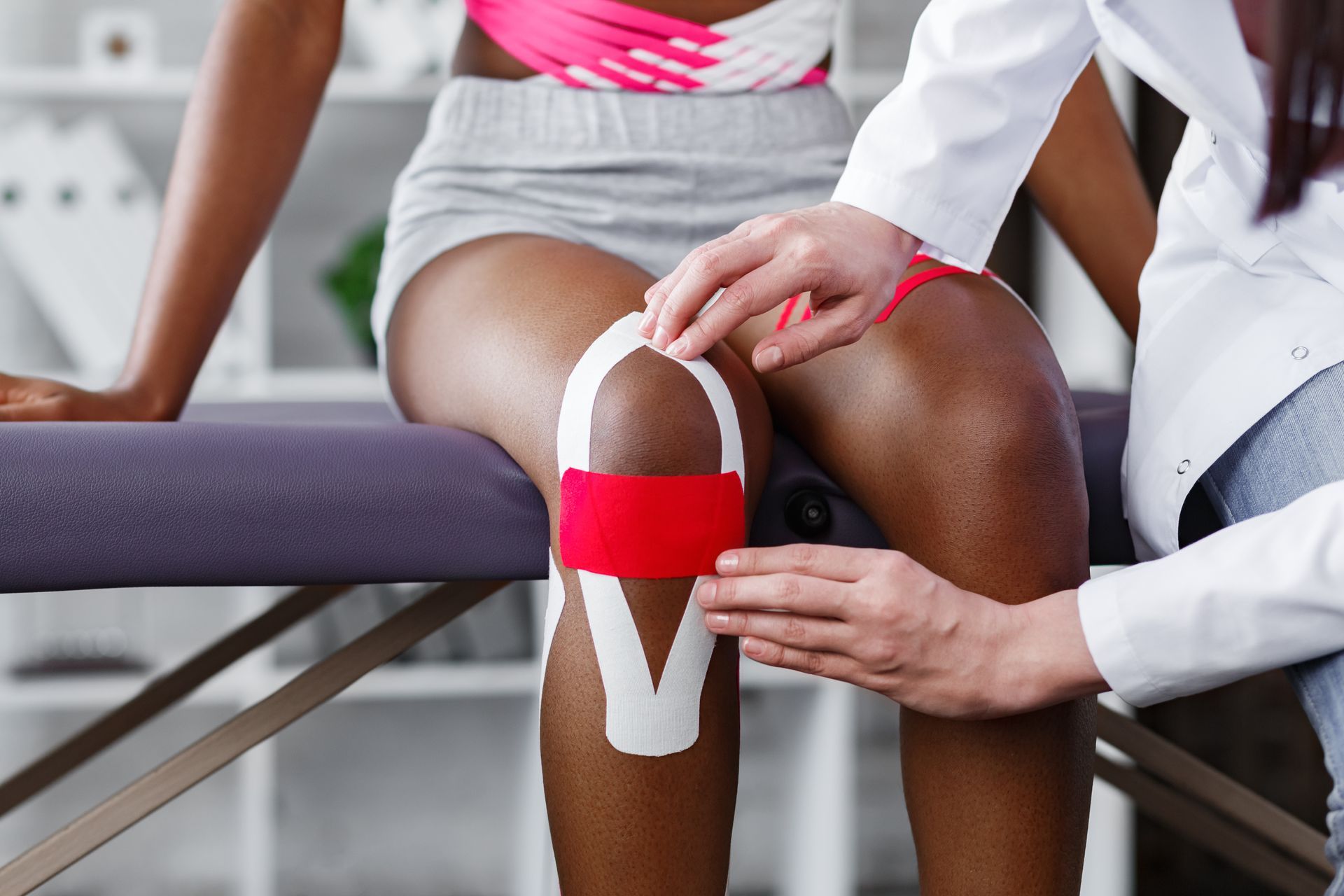
Post-Collision Clinical Evaluation and Injury Assessment
Auto accident therapy begins with a structured clinical evaluation designed to identify injury patterns associated with sudden impact forces. This evaluation focuses on determining how the musculoskeletal system has responded to the mechanical stress of a collision.
Collision History and Symptom Timeline Review
A detailed review of the accident event is conducted to understand direction of impact, seat positioning, and immediate physical responses. The timing of symptom onset is also evaluated, as some conditions develop gradually after the initial incident.
Spinal and Joint Mobility Examination
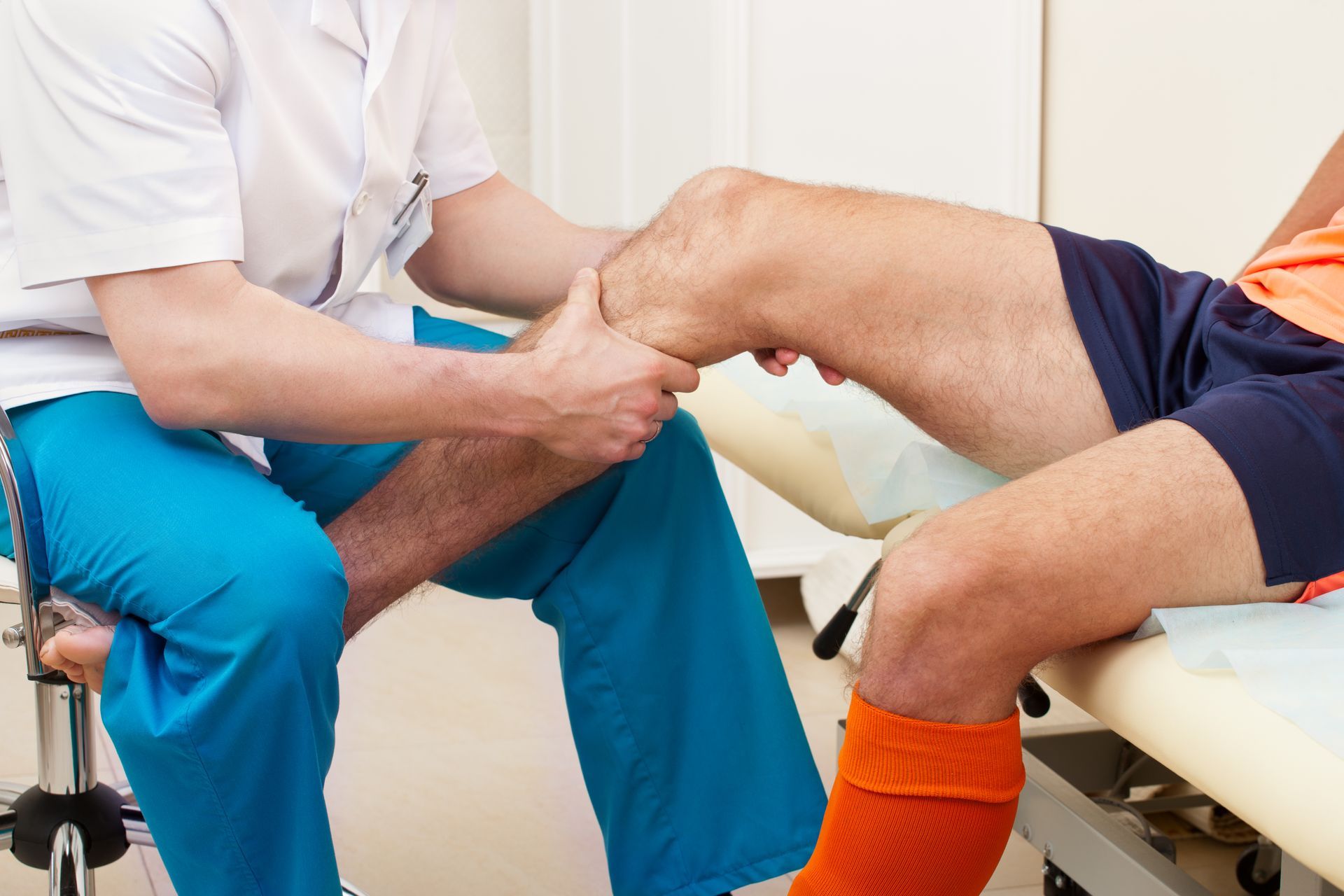
Spinal segments and peripheral joints are assessed for restrictions in movement, asymmetry, and localized tenderness. Motion testing is used to identify areas where normal joint mechanics may have been disrupted by impact forces.
Neuromuscular and Reflex Screening
Neurological screening is performed to evaluate reflex response, muscle tone, and coordination patterns following injury. These findings help determine whether the collision has affected neuromuscular control mechanisms.
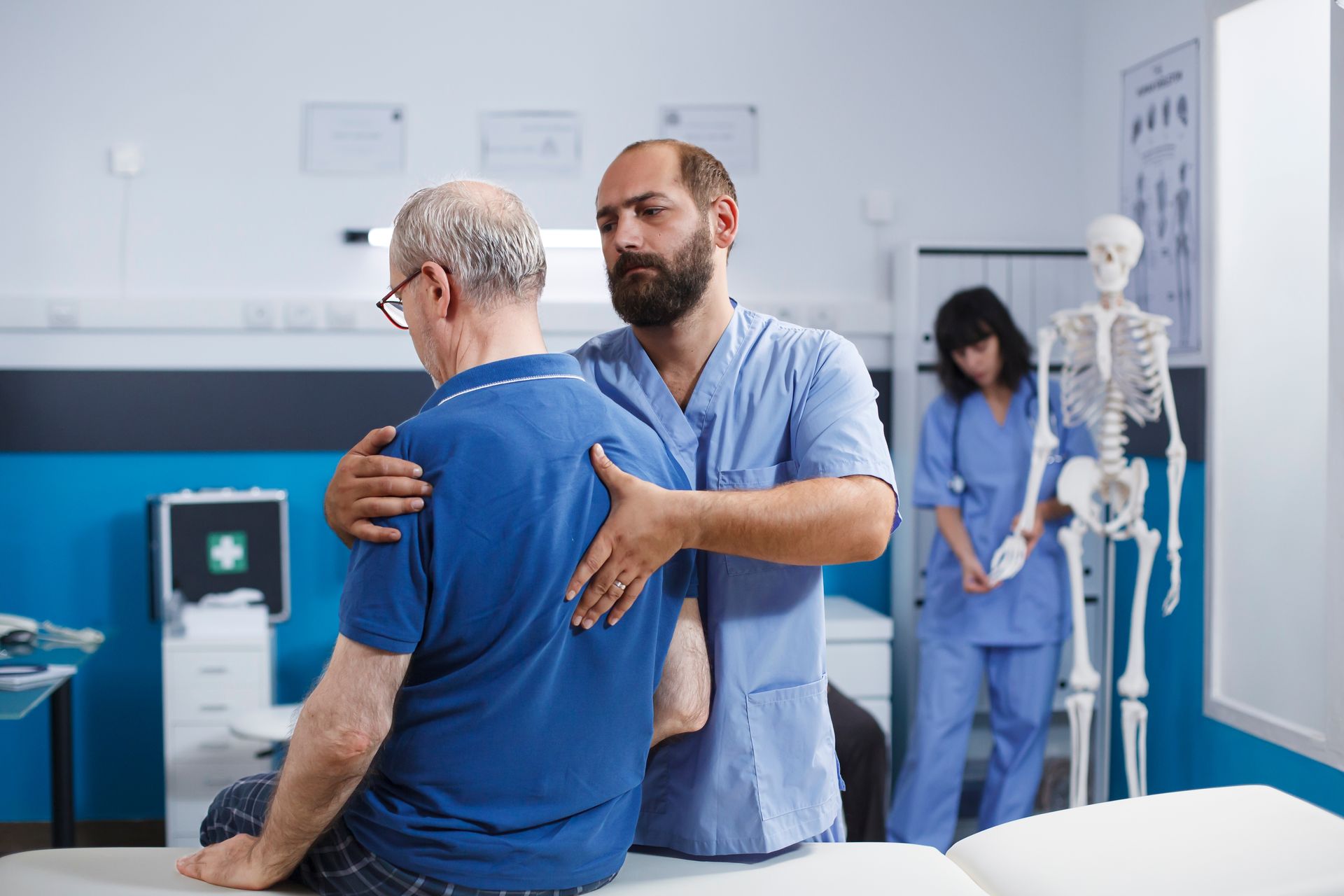
Spinal and Soft Tissue Management After Auto Accidents
Auto accident therapy services at Degre Chiropractic include manual approaches designed to address both spinal dysfunction and soft tissue injury patterns resulting from collision forces.
Cervical Spine and Whiplash-Related Care
The cervical spine is commonly affected in rear-end and lateral collisions due to rapid acceleration and deceleration forces. Evaluation focuses on joint restriction, muscular guarding, and reduced range of motion in the neck region.
Thoracic and Lumbar Spinal Assessment
The mid-back and lower back are evaluated for segmental dysfunction and compensatory movement patterns. These regions often absorb secondary forces during impact and may develop stiffness or localized pain patterns.
Soft Tissue Strain and Muscle Response
Muscle groups surrounding the spine are assessed for tension, spasm, and protective guarding responses. Soft tissue involvement is often a significant component of post-collision musculoskeletal dysfunction and requires targeted manual evaluation.
Common Musculoskeletal Conditions Following Vehicle Collisions
Auto accident therapy addresses a range of musculoskeletal conditions that may arise following motor vehicle trauma. These conditions vary depending on impact severity, body positioning, and pre-existing structural factors.
Whiplash-Associated Disorders
Whiplash-related conditions involve rapid flexion and extension of the cervical spine, often resulting in soft tissue strain and joint irritation. Symptoms may include neck stiffness, reduced motion, and localized discomfort in the cervical region.
Spinal Joint Irritation and Fixation Patterns
Spinal joints may exhibit reduced mobility following collision forces, leading to restricted movement patterns. These dysfunctions are typically identified through manual motion assessment and palpation techniques.
Myofascial Pain and Muscle Guarding
Muscle tissue may develop protective guarding responses after trauma, resulting in persistent tightness and tenderness. Myofascial pain patterns often extend beyond the initial injury site due to compensatory movement adaptations.
Post-Traumatic Movement Dysfunction
Changes in posture and movement coordination may occur following an accident, influencing how the body distributes mechanical load. These dysfunctions are assessed through functional movement analysis and clinical observation.
Treatment Process and Clinical Care Structure
Auto accident therapy follows a structured clinical process designed to monitor injury progression and adjust care based on physical findings over time.
Initial Post-Accident Consultation
The initial consultation includes a comprehensive evaluation of symptoms, accident mechanics, and physical examination findings. This stage establishes baseline measurements for spinal and soft tissue function.
Progressive Manual Care Sessions
Treatment sessions focus on restoring joint mobility and addressing muscular tension patterns identified during assessment. Techniques are selected based on the severity and location of dysfunction rather than a fixed treatment sequence.
Ongoing Functional Reassessment
Each follow-up visit includes reassessment of spinal motion, muscle response, and symptom changes. This allows for tracking of recovery progression and identification of persistent dysfunctions requiring continued attention.
Documentation and Recovery Monitoring
Auto accident therapy services include structured documentation and ongoing monitoring of musculoskeletal status following injury. This process ensures that changes in physical condition are consistently recorded and evaluated over time.

Injury Progress Tracking
Changes in pain levels, range of motion, and functional ability are documented throughout the course of care. This information helps identify improvements or persistent restrictions in musculoskeletal performance.
Movement Pattern Re-Evaluation
Functional movement is periodically reassessed to determine whether compensatory patterns are resolving or persisting. These evaluations help guide adjustments in clinical focus during continued care.
Long-Term Musculoskeletal Stability Review
As recovery progresses, attention is given to long-term stability of spinal and soft tissue structures. This includes evaluating whether normal movement mechanics are being restored following collision-related disruption.